

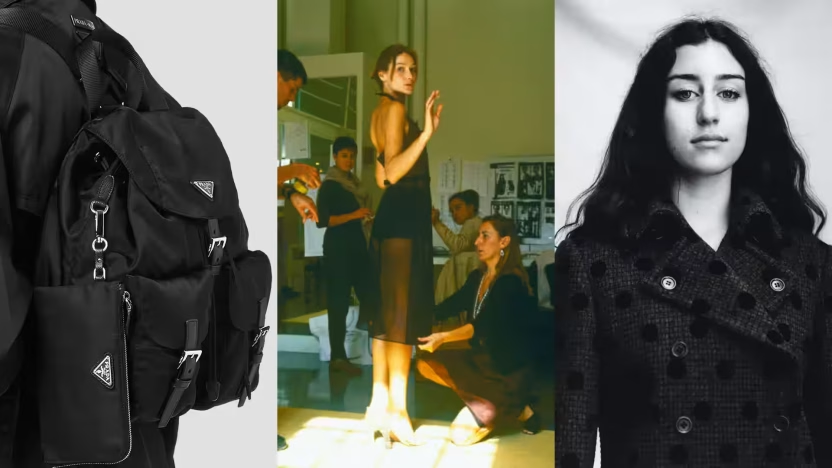
Ballet flats, ultra mini skirts, and New Balance trainers—if you’ve spent even a minute on fashion TikTok or scrolled through the latest style edits, chances are you’ve seen these Miu Miu staples everywhere. From being Prada’s lesser-known little sister to becoming the hottest and fastest-growing luxury fashion brand in the world, Miu Miu has had an extraordinary journey.
But did you know that just eight years ago, Miu Miu was a completely different brand? Its pieces were priced 50% lower than Prada’s, and its popularity was lukewarm at best. Fast forward to today, and Miu Miu’s pricing is on par with Prada—sometimes even higher. So what changed?
From Mime Artist to Fashion Matriarch: The Origins of Miu Miu
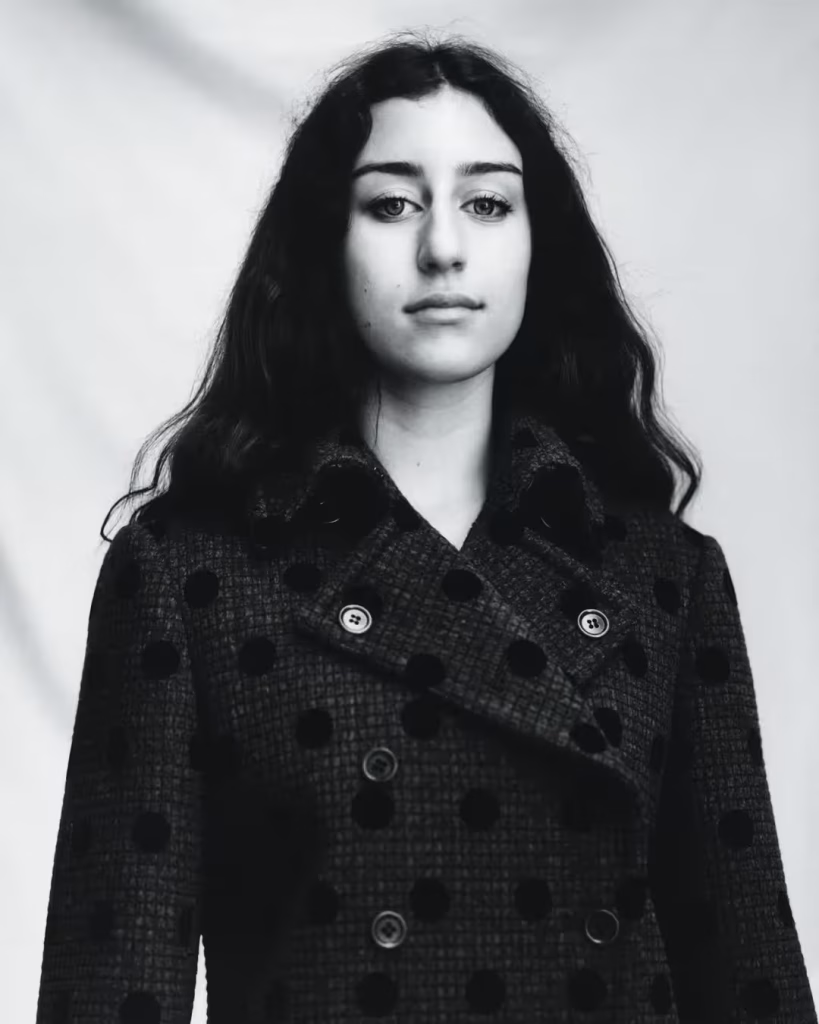
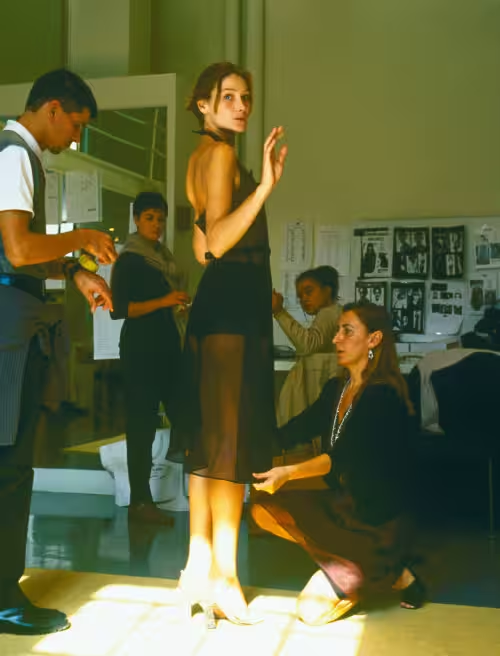
Milan, 1978—before Miu Miu, before Prada’s rise into modern luxury, there was Miuccia Prada, a young woman chasing dreams of becoming a successful mime artist.
Yes, mime artist.
She had spent five years performing silent acts, donning white face paint, black-and-white striped shirts, and gloves, only to find little success. Her family—owners of the luxury leather goods company Prada, founded in 1913 by her grandfather Mario Prada—called her back home to take care of the family business.
Though reluctant, Miuccia Prada joined the company in the accessories department, calling it the “worst thing that could happen.” A PhD holder in political science and a former member of the Italian Communist Party, fashion was not on her agenda. But something changed. Her upbringing, surrounded by beautiful things, pulled her toward design.
Prada’s Nylon Rebellion
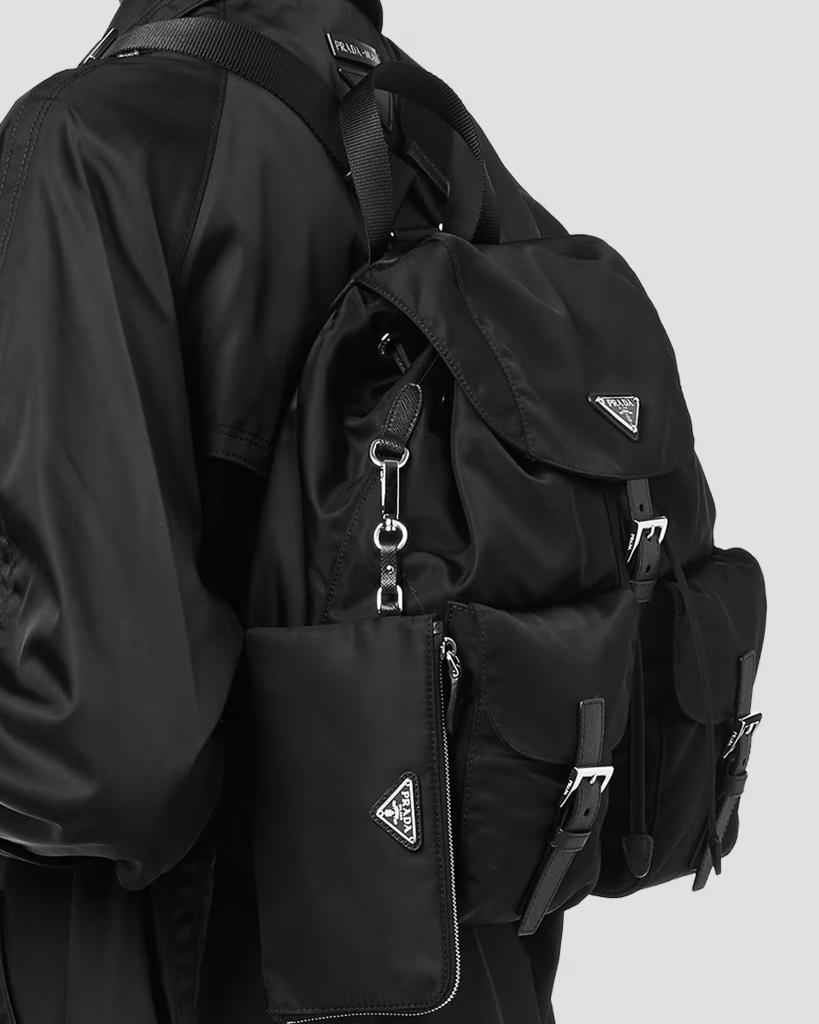
In a bold move, Miuccia decided not to make bags from traditional luxurious materials but instead used Pocone—an industrial-strength nylon used in military tents and parachutes. The result? The iconic Vela backpack, which became a cult favorite and an enduring symbol of minimalist luxury.
By 1989, she launched her first ready-to-wear line under Prada, marking a shift that would soon redefine modern fashion.
The Birth of Miu Miu: A Rebellion Within

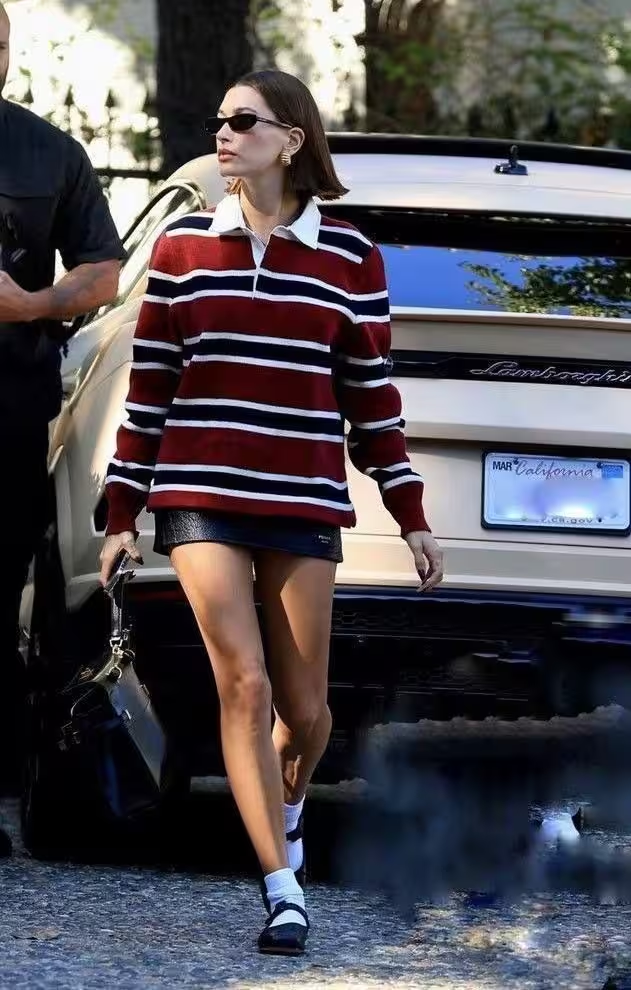
In 1992, craving creative freedom, Miuccia Prada launched her own brand—Miu Miu, named after her childhood nickname. The idea was clear: a brand that catered to younger, fashion-forward audiences who found Prada too mature and too expensive.
Miu Miu’s first collections were underwhelming, leaning traditional and too conservative for the youth it was targeting. Even with Prada’s backing, the brand struggled to carve its identity.
Turning the Tide: Celebrity Power & Strategic Rebranding
Everything changed in 1995. Miu Miu brought in Hollywood darling Drew Barrymore, plastering her face across campaigns. Runways saw Kate Moss and Naomi Campbell strut in Miu Miu’s revamped collections, signaling a rebirth.
Suddenly, Miu Miu wasn’t just “Prada-lite.” It had its own voice. Its own audience. And, increasingly, its own vibe.
With every season, the designs grew bolder, more experimental, and appealing to the youth. The brand opened flagship stores in fashion capitals like Milan, Paris, and New York, and expanded into statement eyewear and jewelry, establishing itself as more than just a sister brand—it was now a cultural symbol.
2021–2023: The Years That Changed Everything
In October 2021, Miu Miu dropped its Spring/Summer 2022 collection, and the fashion world lost it. Models walked the runway in low-slung ultra-mini skirts and cropped tops. The look was instantly viral.
Magazines, influencers, and Gen Z alike embraced the daring look. It wasn’t just a fashion moment—it was a movement.

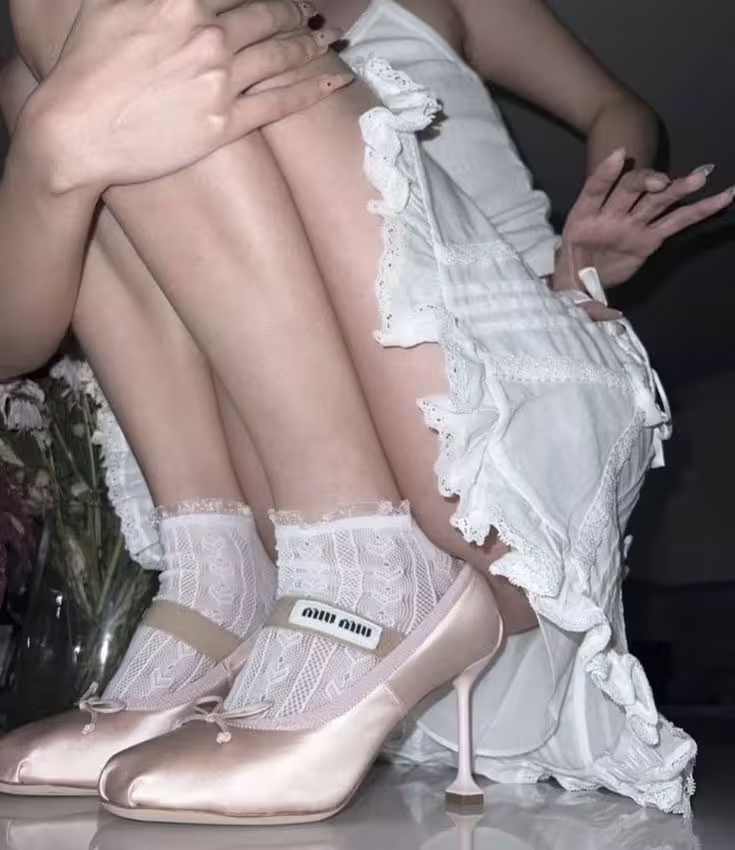
Then came the Miu Miu ballet flats in Fall/Winter 2022. Cute, wearable, and aligned with the growing balletcore aesthetic on TikTok, these shoes flew off the shelves. When celebrities like Bella Hadid and Alexa Chung began sporting them, demand surged.
In 2023, Miu Miu partnered with New Balance, releasing sneakers like the Zumu 530 SL suede trainers. They sold out almost instantly. Pre-owned pairs began reselling for $1,000+ above retail. The hype was real—and global.
From Underdog to Industry Leader
This rise wasn’t accidental—it was a mix of bold experimentation, celebrity endorsements, smart collaborations, and a keen understanding of youth culture.
While Prada remained elegant and refined, Miu Miu embraced the messy, expressive, chaotic energy of the now. And it worked.
In 2024, Miu Miu was officially crowned “The Hottest Fashion Brand in the World” by Lyst Index. Sales jumped by a staggering 93% from the previous year, and revenue crossed the billion-dollar mark.
Will Miu Miu Surpass Prada?
It’s a question many are asking.
With its explosive popularity among Gen Z and Millennials, its viral product strategy, and its high-fashion credibility, Miu Miu might just become the new face of Italian luxury.
Whether or not it eclipses Prada, one thing is clear: Miu Miu is no longer living in the shadows. It is the moment.


