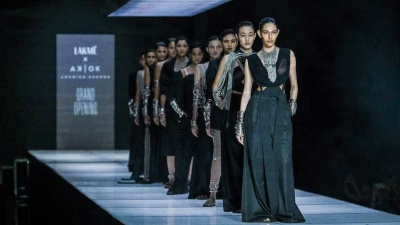

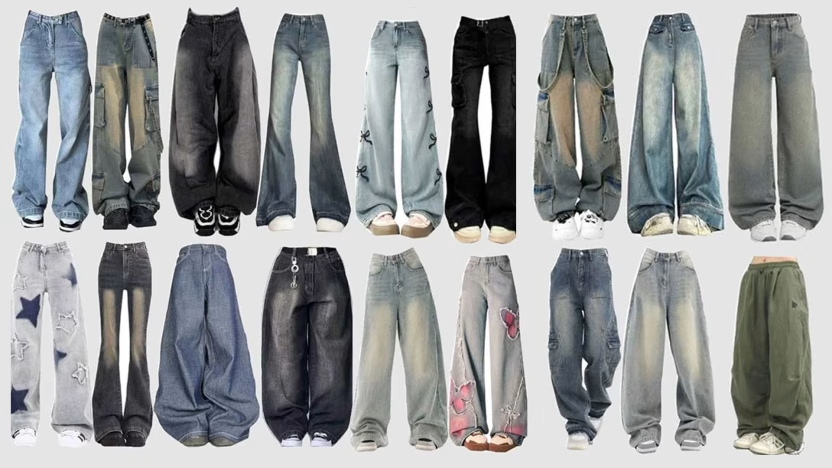
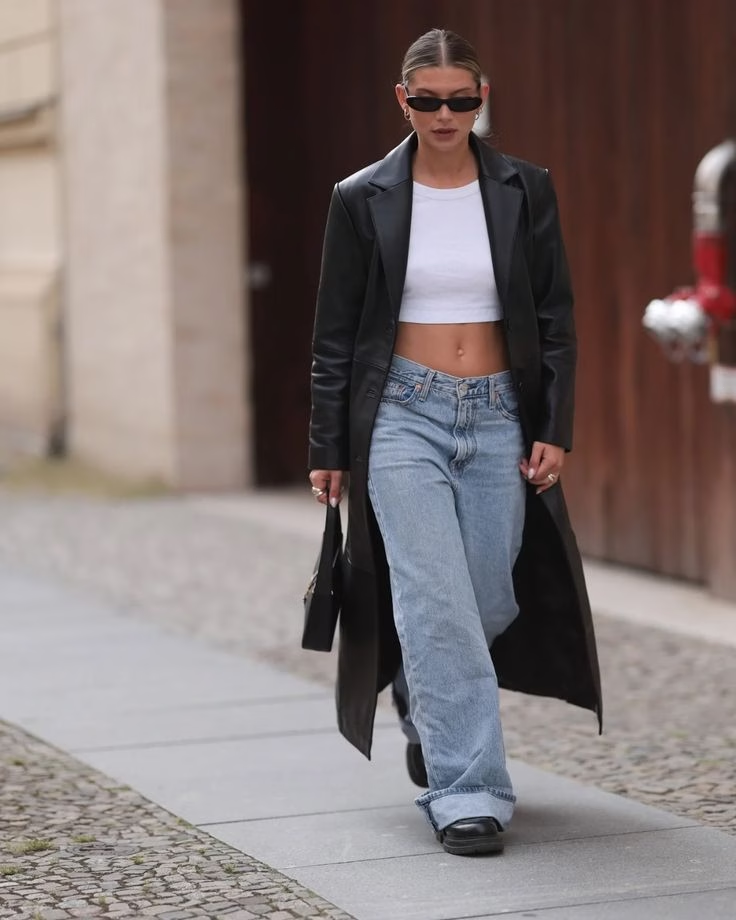
Baggy jeans have transcended their ‘90s origins to become a global symbol of rebellion, comfort, and generational change. In 2025, this trend is no longer just about clothing—it’s a statement against outdated norms, an embrace of inclusivity, and a bridge between cultures. Let’s explore why baggy jeans dominate the fashion landscape and how they reflect broader societal shifts.
loose fitted jeans first gained traction in the 1990s through hip-hop artists and skaters, who prioritized freedom of movement over sleek silhouettes . By the 2020s, they reemerged as a response to the restrictive skinny jeans of the 2010s. Today, loose fitted jeans are celebrated in high fashion and streetwear alike, with brands like Balenciaga and Levi’s releasing oversized designs that blend utility with luxury . This evolution highlights how subcultures shape mainstream trends.
Rejecting Millennial “Aesthetic Trauma”
Gen Z’s embrace of baggy jeans is a direct rejection of millennial-era beauty standards. Skinny jeans, once synonymous with early 2000s fashion, promoted unrealistic body ideals like “thigh gaps” and hyper-curated aesthetics. The term “cheugy” —used to mock outdated trends—epitomizes Gen Z’s disdain for these norms. By contrast, loose fitted jeans celebrate body neutrality, allowing wearers to prioritize comfort over conformity.
Anti-Sexualization and Gender Fluidity
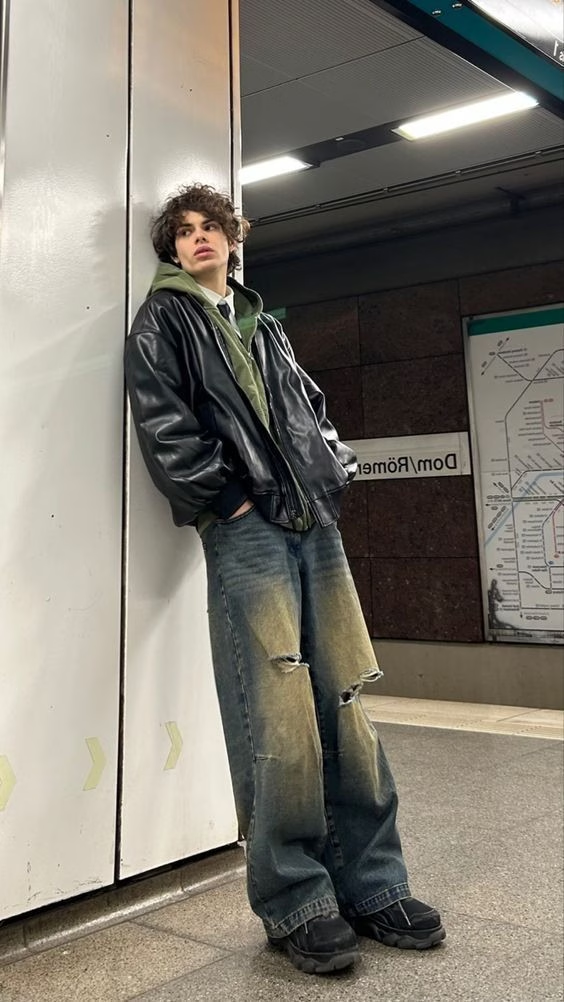
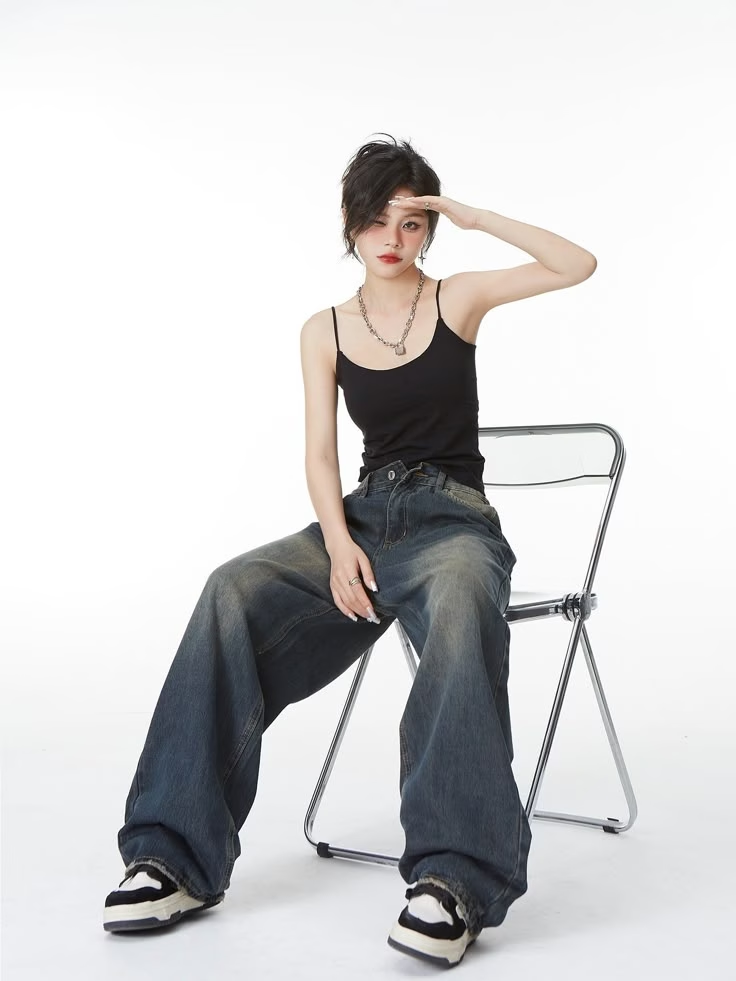
Fashion has historically catered to the male gaze, but baggy jeans challenge this narrative. Their androgynous design aligns with Gen Z’s push for gender fluidity, offering a non-revealing alternative to hyper-sexualized clothing. This shift mirrors broader cultural movements, such as the rise of non-binary fashion lines and inclusive sizing .
Thrifting: Sustainability Meets Anti-Capitalism
Economic instability and climate anxiety have reshaped consumer habits. Gen Z prioritizes thrifting and upcycling baggy jeans , rejecting fast fashion’s exploitative cycles . Platforms like Depop and Vinted thrive on this ethos, with searches for “vintage denim” up 140% since 2023 . Even luxury brands now mimic thrifted aesthetics, though purists argue this dilutes the anti-consumerist message.

Global Streetwear and Local Flavors
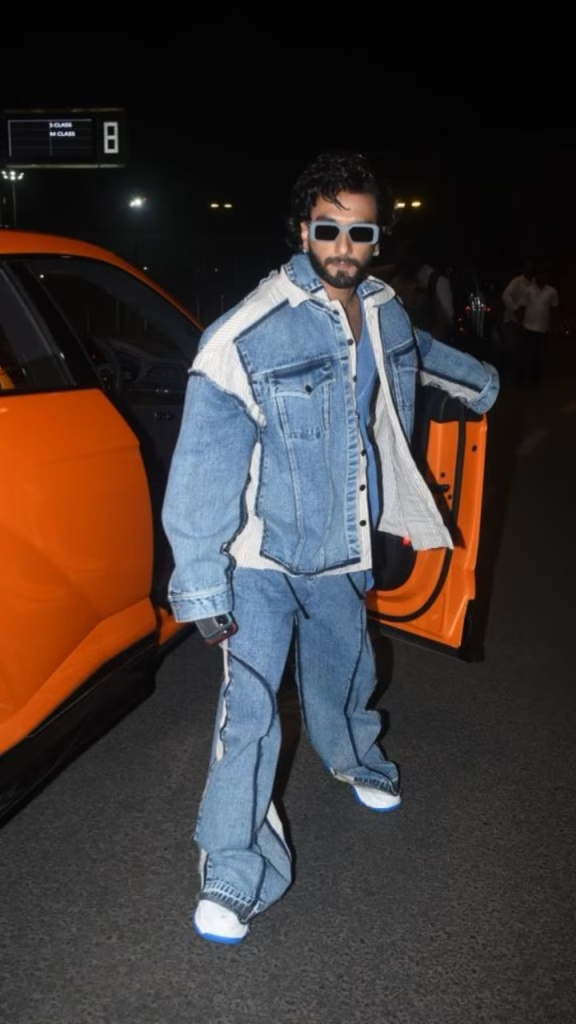
The baggy jeans movement is part of a worldwide streetwear phenomenon. From Tokyo’s Harajuku district to Mumbai’s street style scene, oversized denim unites skate culture, hip-hop, and indie fashion. In India, baggy jeans blend with traditional wear—think paired with kurtas or fusion dhoti pants . Celebrities like Ranveer Singh and designers like Raghavendra Rathore showcase this cross-cultural appeal.
The Psychology Behind Fashion Choices
Fashion is deeply tied to identity. For Gen Z, baggy jeans symbolize autonomy—a rejection of societal expectations and a reclaiming of personal agency. Psychologists note that comfort-driven fashion reduces anxiety, aligning with Gen Z’s demand for mental health prioritization . This psychological shift explains why restrictive trends like skinny jeans are fading.
Sustainability in Denim Production
The denim industry faces scrutiny for its environmental impact, with traditional production consuming vast water and energy. However, brands like Levi’s now use recycled materials and waterless dyeing techniques for baggy jeans , appealing to eco-conscious consumers . This shift reflects Gen Z’s demand for ethical fashion that aligns with their values.
Brand Case Studies: Who’s Leading the Charge?
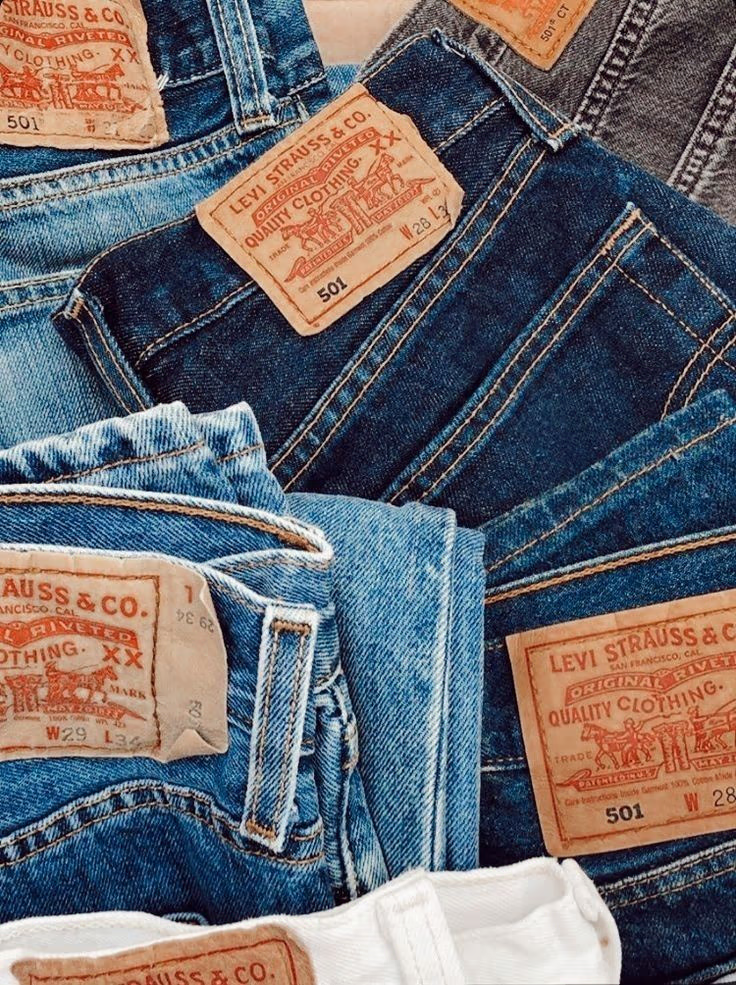
- Levi’s: Revived ‘90s baggy styles like the 550 Relaxed Fit, blending nostalgia with modern sustainability
- Stüssy: Collaborated with Nike to launch baggy jeans infused with tech fabrics, merging streetwear with athletic wear.
- Depop Sellers: Indie brands like @VintageVault dominate the resale market, offering Y2K-inspired baggy jeans.
- Zara: Adopted the trend swiftly with affordable, oversized denim collections, often incorporating recycled materials to appeal to eco-conscious shoppers .
- H&M: Launched gender-neutral baggy jeans in their “Conscious Collection,” emphasizing ethical production and minimalist design .
- Snitch (India): A rising streetwear brand popular among Indian youth, Snitch combines bold prints and relaxed denim silhouettes, often collaborating with local artists for culturally resonant designs .
- Zudio (India): Part of Aditya Birla Fashion, Zudio targets Gen Z with fusion styles—think baggy jeans paired with cropped kurtas or graphic tees, blending Indian aesthetics with global streetwear. Notably, Zudio’s affordable pricing strategy, with most items priced under ₹999 , makes trendy fashion accessible to younger audiences.
Cross-Generational Appeal: From Boomers to Gen Z
While Gen Z leads the charge, older generations are embracing baggy jeans too:
- Millennials balance professionalism with comfort by pairing them with blazers.
- Gen X revisits ‘90s nostalgia with grunge-inspired outfits.
- Boomers appreciate practicality, signaling a broader shift toward inclusive fashion.
Future Trends: What’s Next for Denim?
Experts predict baggy jeans will evolve with tech integrations, such as smart fabrics that adapt to body temperature. Sustainability will remain key, with brands exploring biodegradable dyes and zero-waste patterns. The trend’s longevity proves it’s more than a fad—it’s a cultural reset.
Conclusion: The Future of Fashion is Fluid
Baggy jeans in 2025 symbolize more than style—they represent a revolution. By rejecting exclusivity, embracing sustainability, and celebrating individuality, this trend underscores a world where fashion empowers, not confines. As baggy jeans continue to evolve, they’ll remain a testament to the enduring power of cultural rebellion .